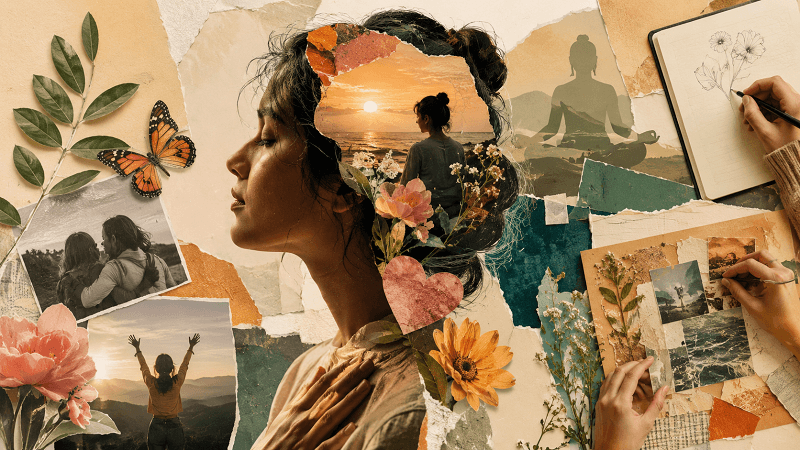
In a world where people are constantly documenting moments through photos, screenshots, memories, and digital keepsakes, the challenge is no longer capturing experiences: it’s making sense of them in a meaningful way. Visual storytelling has quietly become one of the most powerful tools for self-expression, emotional reflection, and connection. Whether it’s a collection of family memories, a mood board for personal growth, or a visual journal during difficult times, collages offer something unique: they turn scattered emotions into a story you can actually see.
For wellness-focused platforms like heartumental.info, creative expression matters because healing and self-awareness are rarely linear. People often struggle to explain emotions with words alone. Images, colors, layouts, and visual themes can communicate feelings more naturally and honestly. That’s one reason digital collage-making has become increasingly popular among students, creators, therapists, wellness advocates, and everyday users looking for a healthy creative outlet.
Why Visual Creativity Matters for Mental and Emotional Health
Creative activities are often associated with artists, but emotional creativity belongs to everyone. Simple visual projects can reduce stress, encourage mindfulness, and improve emotional processing. Studies around art therapy consistently show that visual expression helps people externalize feelings that may otherwise stay buried internally.
A collage, in particular, works well because it doesn’t require perfection. You’re simply gathering moments, ideas, colors, or memories into one space. That process itself can become calming and reflective.
Many people now use digital tools instead of physical magazines and scissors because they offer flexibility, convenience, and better customization. Platforms like Adobe Express collage maker allow users to create polished, personalized collages quickly, whether for emotional storytelling, family memories, social media, or vision boards. The accessibility of modern design tools means creativity is no longer limited to professionals.
The Emotional Power of Combining Images
Think about how a single photograph captures one second. A collage captures an entire emotional atmosphere.
For example:
- A student moving abroad may combine childhood photos, travel images, handwritten notes, and future goals into one visual timeline.
- Someone recovering from burnout may create a calming collage filled with nature, routines, affirmations, and healthy habits.
- Families often create memory collages after weddings, graduations, or reunions to preserve emotions beyond a single photo album.
What makes collages powerful is context. One image may feel ordinary alone, but together, images create meaning.
This form of storytelling also helps people process transitions. Humans naturally seek patterns and narratives, especially during emotional periods. Organizing memories visually can provide a sense of clarity and continuity.
Using Collages as a Form of Mindful Reflection
Mindfulness is often described as staying present in the moment, but reflection is equally important. Looking back intentionally can help people appreciate progress, recognize resilience, and reconnect with meaningful experiences.
Collage-making encourages this naturally because it slows you down. You choose images carefully. You think about colors, placement, and emotional themes. That focused attention becomes a creative form of mindfulness.
Here are a few practical ways people use visual collages for emotional wellness:
1. Gratitude Boards
A gratitude collage can include small daily joys:
- Favorite meals
- Friends and family
- Travel moments
- Inspirational quotes
- Personal achievements
Over time, these visuals become reminders that positive experiences exist even during stressful seasons.
2. Healing and Recovery Journals
People recovering from emotional exhaustion, grief, or life changes sometimes use visual journaling as part of their healing process. Combining calming imagery with supportive reminders creates a safe emotional space.
3. Goal Visualization
Vision boards are one of the most popular forms of collage-making. Athletes, entrepreneurs, students, and creatives use them to clarify future goals visually. Seeing goals represented consistently can improve motivation and focus.
Why Digital Collages Work So Well Today
Traditional scrapbooking still has charm, but digital collages fit modern lifestyles better. Most people already store thousands of photos on their phones or computers. Digital tools simplify the process by providing templates, editing options, and instant sharing capabilities.
This convenience matters because creative habits are easier to maintain when barriers are low.
Key benefits include:
- Easy customization
- Fast editing and resizing
- Access across devices
- Social media compatibility
- Professional-looking layouts without advanced skills
Digital collages also support collaborative storytelling. Friends and families in different cities can contribute images to shared projects, making memory preservation more interactive and inclusive.
Professional Uses Beyond Personal Creativity
Collages are not only emotional tools — they’re also widely used professionally.
Content creators use collages to:
- Build engaging social media posts
- Present brand stories visually
- Create event recaps
- Design inspirational content
Therapists and coaches sometimes encourage visual exercises because they help clients express emotions without pressure. Teachers use them in classrooms to improve creativity and communication. Wellness bloggers use collage visuals to make reflective topics feel more approachable and relatable.
The versatility of collage-making is part of its lasting appeal. It can be deeply personal or professionally polished depending on the purpose.
Tips for Creating More Meaningful Collages
Anyone can place photos together, but emotionally impactful collages usually have intention behind them. Here are a few practical tips:
Focus on a Single Theme
Too many unrelated images can feel chaotic. Start with one emotional direction:
- Growth
- Peace
- Adventure
- Recovery
- Gratitude
- Motivation
Use Colors Intentionally
Colors influence mood more than many people realize:
- Blues and greens often feel calming
- Warm tones create energy
- Neutral palettes feel reflective and balanced
Mix Different Visual Elements
Combining:
- Photos
- Quotes
- Textures
- Illustrations
- Handwritten notes
creates more emotional depth and visual interest.
Leave Empty Space
A cluttered collage can feel overwhelming. White space helps important memories stand out and creates a cleaner emotional flow.
The Future of Personal Storytelling
As digital life becomes increasingly fast-paced, people are searching for more intentional ways to preserve meaning. Quick social media posts disappear rapidly, but thoughtful visual projects remain emotionally valuable over time.
Collages offer something many digital experiences lack: reflection.
They encourage people to pause, revisit memories, organize emotions, and reconnect with experiences that matter. Whether someone is celebrating milestones, healing emotionally, or simply exploring creativity, visual storytelling provides a healthy and accessible outlet.
Conclusion
Creative collages are more than decorative designs. They are emotional snapshots, personal narratives, and visual reminders of growth, connection, and resilience. In both personal wellness and digital storytelling, they provide a unique way to transform ordinary moments into something deeply meaningful.
As more people prioritize mindfulness, creativity, and authentic self-expression, collage-making continues to evolve from a simple hobby into a valuable emotional and creative practice.